
Field of Glory II: Medieval Swords and Scimitars
 -40%
- Genres
- Simulation, Strategy
- Released
- 23 Sep, 2021
- Developer
- Byzantine Games
- Publisher
- Slitherine Ltd.
Where will you play?
-
 GreenManGamingBest price
-40% $8.99
$14.99Get Deal -
 Fanatical
-25% $11.22
$14.99Get Deal -
 GamesplanetOfficial licensed distributorSteam key · Global
-10% $13.49
$14.99Get Deal -
 Steam
$14.99
Get Deal
Field of Glory II: Medieval Swords and Scimitars price history
£6.71 today90-day low £6.71 (31 Oct 2026)Lowest recorded £6.7190-day average £6.71
Today's price is the lowest we've seen in the last 90 days. Lowest UK-working PC price across all the stores we compare (keys and accounts, any edition); tracked since 31 Oct 2026.
About this game
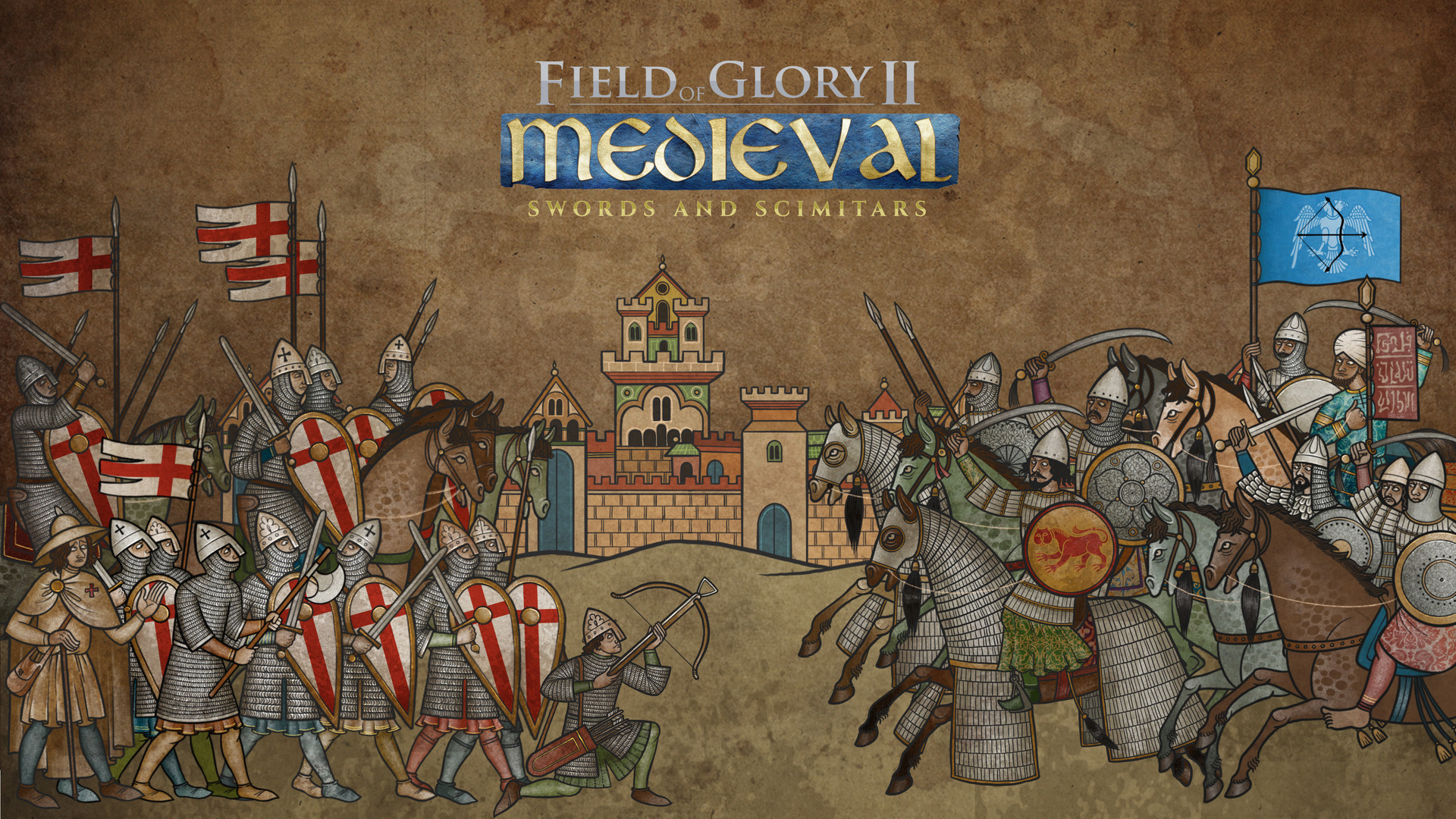
The Byzantine Empire began the 11th century in a strong position - they had pushed their frontier eastwards against the fragmented Muslim emirates, and had completely destroyed the Bulgars in the Balkans. All that was to change in 1071, when they suffered a catastrophic defeat at the hands of the Seljuq Turks at the Battle of Manzikert. These nomadic conquerors had recently converted to Islam, and had swiftly established a Sultanate ruling from Afghanistan to Palestine. Following Manzikert they took nearly all of Anatolia from the Byzantines.
As the Byzantine Emperor Alexios Komnenos struggled to stem the Seljuq advances, he appealed to the West for mercenaries. This request was seized upon by Pope Urban II, who possibly saw it as an opportunity to further his own aims. At the Council of Clermont in 1095 he called for a Crusade to save the eastern churches and recover the Holy Land from the Muslims.
The timing was fortuitously right, as the mighty Seljuq Empire had begun to fragment, the Sultanate of Rûm in Anatolia (modern Asiatic Turkey) having seceded from the Great Seljuk Empire in 1077, and the local Syrian atabegs being in practice semi-independent and disunited. The First Crusade eventually captured Jerusalem in 1099, and established a number of Crusader states in Palestine and Syria. In doing so they created bitter resentment between Muslims, Western Christians and the Byzantines that would lead to two centuries of conflict.
Several major Crusades were to follow the First, as the Crusader states fought for their existence against a succession of resurgent Islamic states: the Fatimids, Zangids, Ayyubids, and finally the Mamluks, who extinguished the last Crusader stronghold of Acre in 1291.
Meanwhile, further East, a far greater threat to Islamic civilisation was emerging. The rapidly expanding Mongols had destroyed the Khwarazmian Shahdom by 1231, the Christian kingdom of Georgia fell in 1239, and the Seljuqs were defeated and forced into vassaldom in 1243. By 1258 the Assassins of Alamut, and the vestigial remains of the once great Abbasid Caliphate, had also been conquered. Only the Mamluks of Egypt were able to finally bring the Mongol advance to an end, with their victory at Ain Jalut in 1260.
In the Balkans the Byzantine Empire remained strong until 1204, when Constantinople fell to the Fourth Crusade. Thereafter much of the old empire was taken over by the Western Crusaders and the Venetians, who had masterminded the whole sordid enterprise. The Byzantines held out in four fragments: the Empires of Trebizond and Nicaea, and the Despotates of Rhodes and Epirus. Eventually the Empire of Nicaea retook Constantinople in 1261, but the power of the Byzantines had been broken forever and they were now only a minor state.
• 20 more nations and factions covering South Eastern Europe and the Middle East from 1040 AD to 1270 AD. These include Arabs (Syria/Iraq), Armenians (Cilician), Bulgarians, Byzantines (Main Empire, also Nikaia, Epiros and Trebizond), Crusaders, Cypriots (Lusignan Kingdom), Dailami, Fatimid Egyptians, Georgians, Ghaznavids, Ghurids, Indians (Rajput, other Hindu, Muslim), Khwarazmians, Latin States in Greece, Mamluk Egyptians, Mongols (Ilkhanids), Pechenegs, Seljuq Turks, Serbians and Syrian States. Each of these has their own historically accurate banner.
• 35 more units (11 brand new, 24 new to Medieval), allowing the troops of all of the new factions to be accurately represented.
• 41 more army lists allowing historically realistic armies for each of the above factions and their allies at different dates during the period, and bringing the total number of Medieval army lists to 146. In addition armies can include contingents from historical allies. This gives around one hundred thousand permutations. You will never run out of new matchups to try.
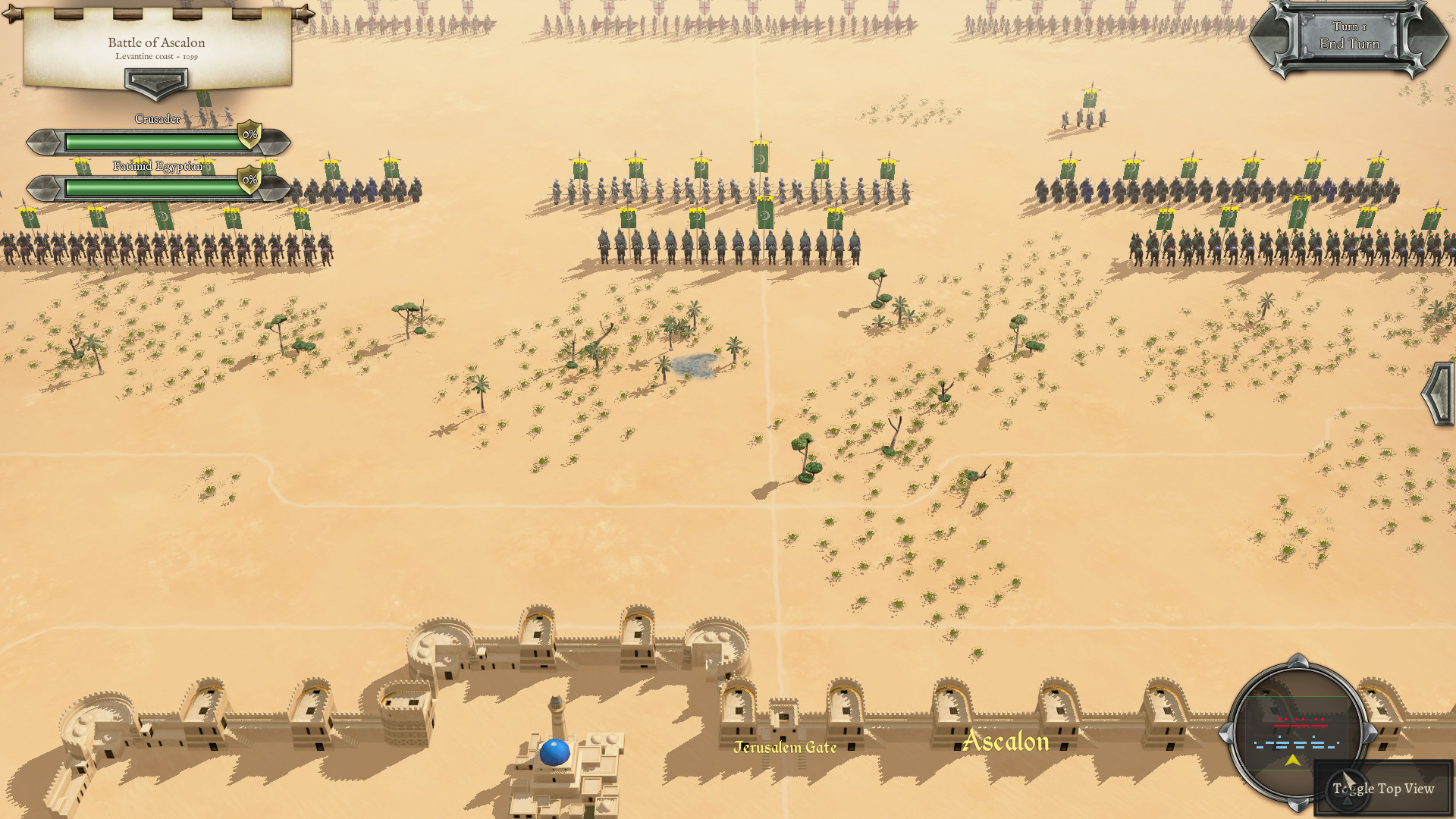
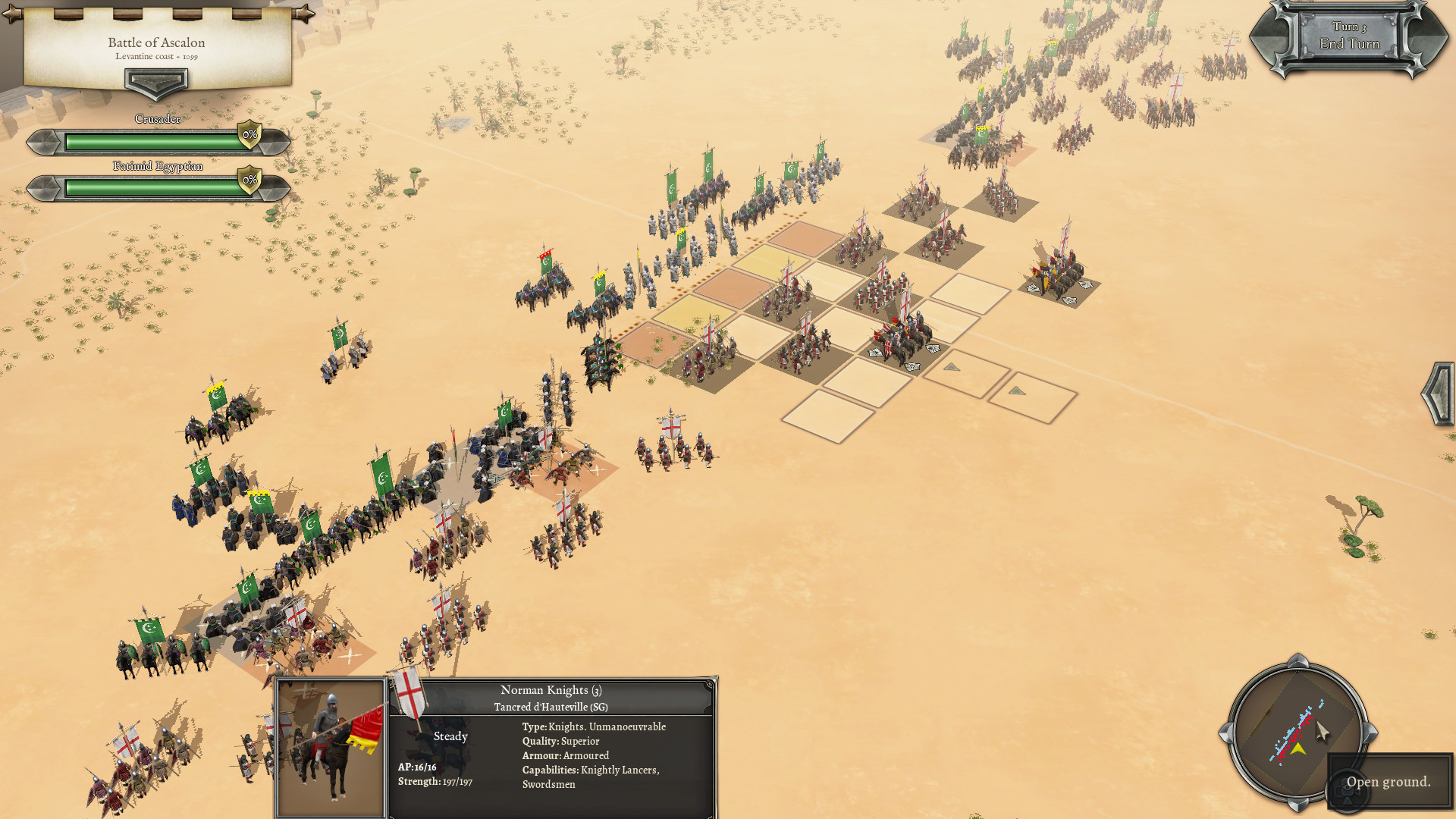
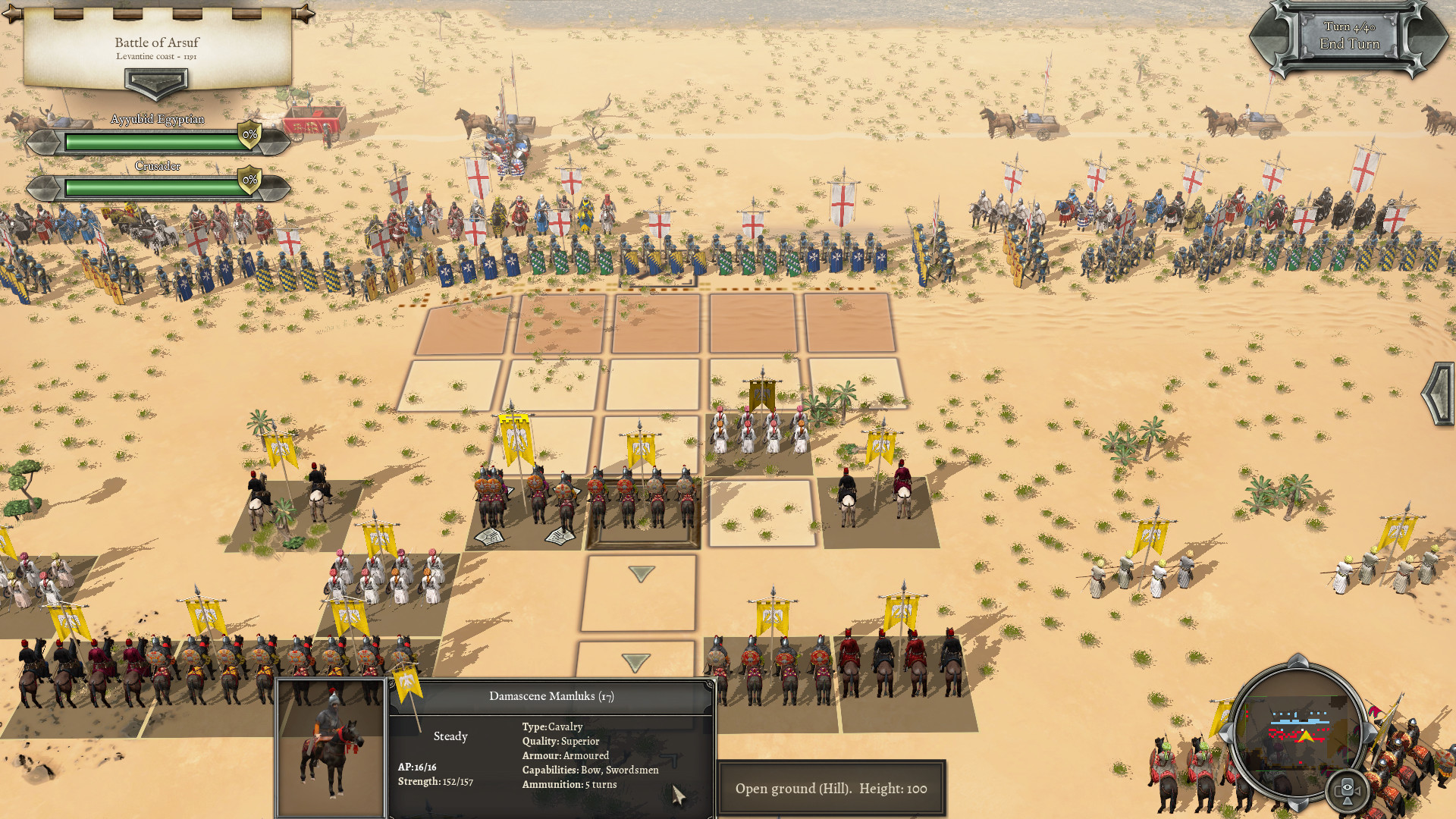
• 8 more historical scenarios covering key engagements of the period on an epic scale. These include Manzikert 1071, Dorylaeum 1097, Ascalon 1099, Sirmium 1167, Arsuf 1191, La Forbie 1244, Homs 1281 and Kili 1299.
• 53 more historical matchups added to Quick Battle mode, increasing the total to 150, playable from either side.
• 4 more historically-based campaigns covering major leaders and conflicts of the era: Alexios Komnenos, The First Crusade, Manuel Komnenos, Saladin.
• Sandbox campaign expanded to include all the new army lists, allowing you to lead any nation (and their historical allies) against any other nation (and their allies) – giving over twenty thousand permutations.
• Time Warp custom battles modules expanded to include all the new army lists.
Screenshots
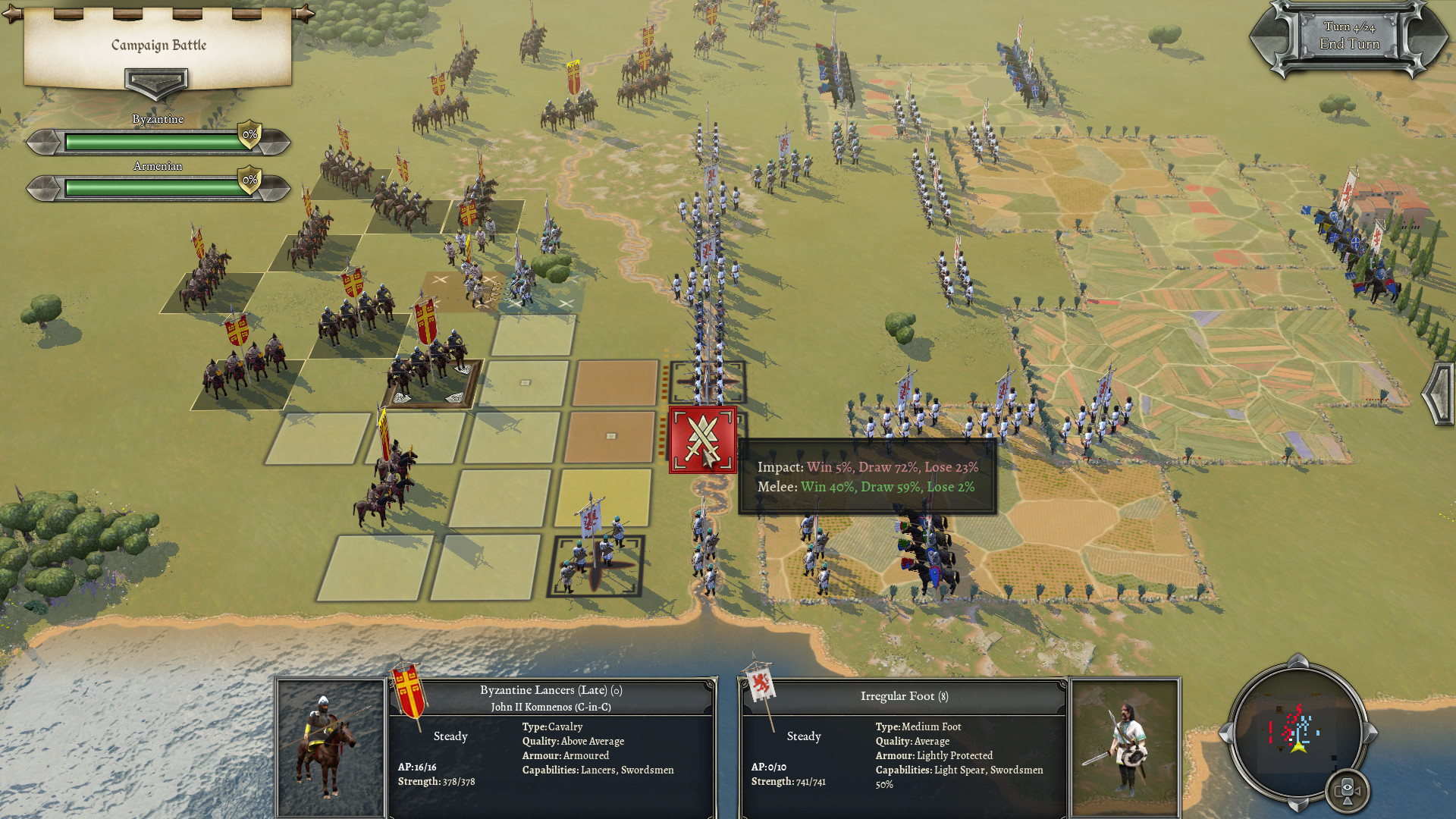
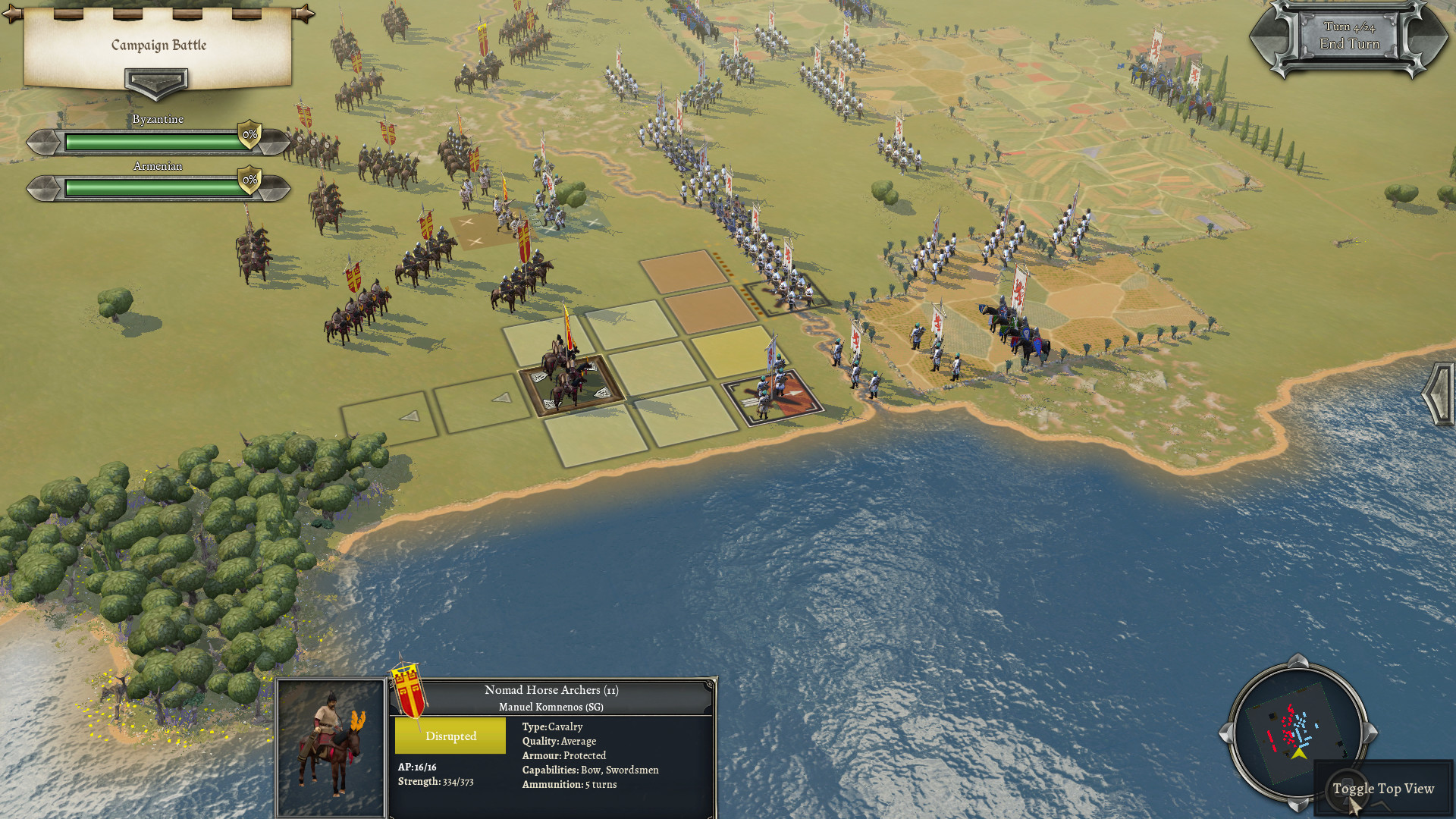
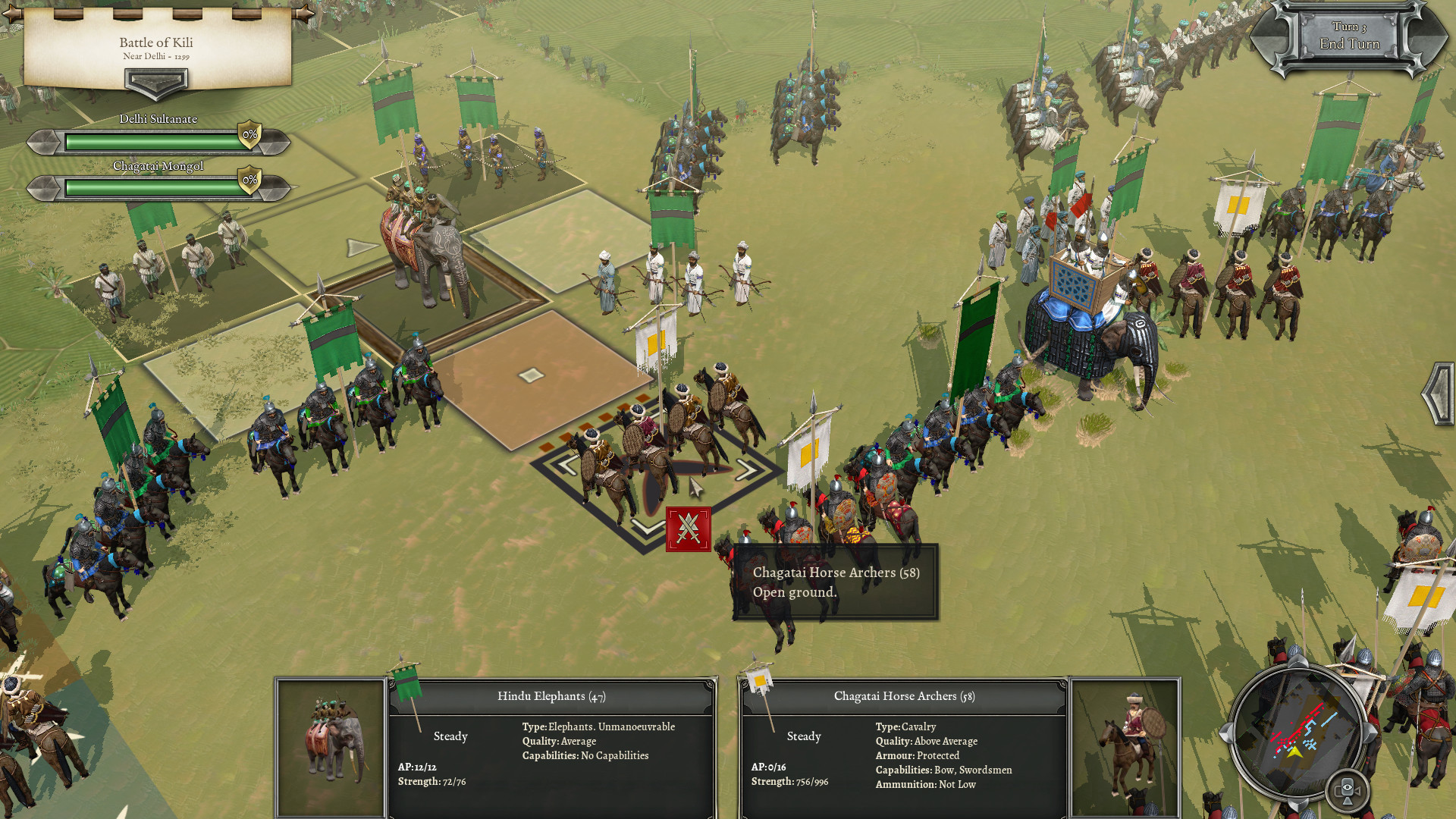
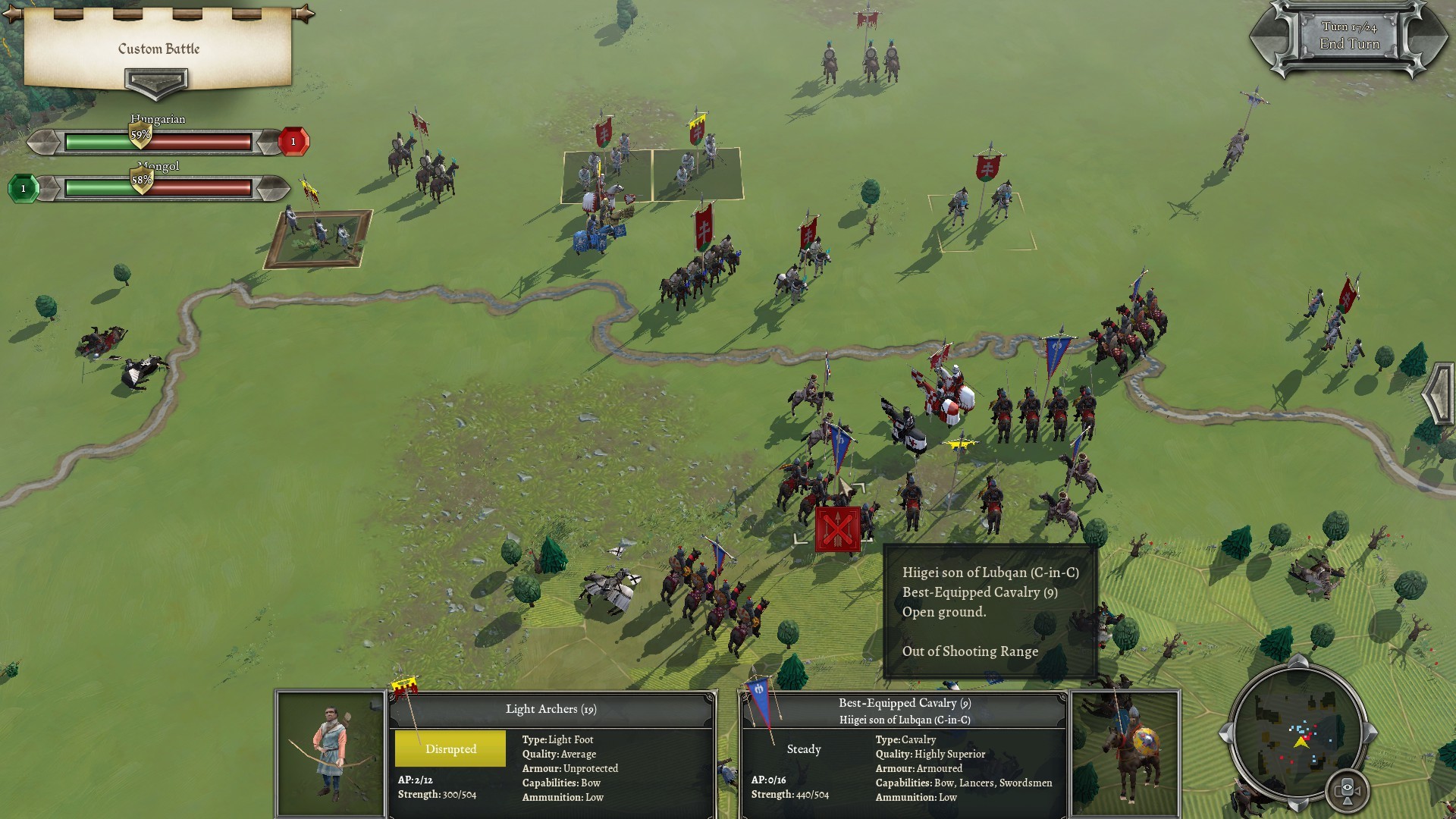
PC system requirements
Minimum
- OS *
- Windows 8 / 10
- Processor
- 2.0GHz i5/A8 or better
- Memory
- 6 GB RAM
- Graphics
- 1GB DirectX 9 Compatible Graphics Card
- DirectX
- Version 9.0c
- Storage
- 5 GB available space
Recommended
- OS *
- Windows 8 / 10
- Processor
- 2.0GHz i5/A8 or better
- Memory
- 8 GB RAM
- Graphics
- Discrete 2GB DirectX 9 Compatible Graphics Card
- DirectX
- Version 9.0c
- Storage
- 6 GB available space
Field of Glory II: Medieval Swords and Scimitars prices: questions & answers
What is the cheapest Field of Glory II: Medieval Swords and Scimitars price for PC?
The cheapest Field of Glory II: Medieval Swords and Scimitars PC key right now is £6.71 at GreenManGaming, 40% below the usual price. We compare 4 offers from 4 stores for PC, and prices update at least twice a day.
Cheapest price today: £6.71 at GreenManGaming (40% off, usually £11.39). We compare 4 stores for Field of Glory II: Medieval Swords and Scimitars, and prices update at least twice a day. Prices can change; the store's checkout price is final. Platform and region details come from each store's listing; the store's product page is final. Zemly may earn a commission if you buy through links on this site, at no extra cost to you (affiliate disclosure).